
Every year, thousands of young drivers step onto the road full of dreams, energy, and freedom — yet many never make it home. Road accidents involving young drivers have silently become one of the leading causes of death among teenagers and young adults worldwide. According to the World Health Organization (WHO), road crashes are the number one cause of death for people aged 15 to 29, claiming over 1.3 million lives annually. In the UK and the US, drivers aged 16 to 24 are almost twice as likely to be in a fatal crash as older drivers.

Behind these numbers are heartbreaking stories. Take, for instance, the case of Daniel, a 19-year-old student who lost his life just weeks after earning his driver’s licence. A momentary distraction — checking a phone notification — ended in tragedy. His story mirrors countless others across the world, where inexperience meets overconfidence, creating a dangerous mix on the asphalt.
This crisis demands urgent attention. Protecting young drivers isn’t just a parental concern; it’s a public safety mission that involves educators, policymakers, and communities. To keep young drivers safe, we need to understand the risks they face. Then we can help them build safer habits and make better choices.
Understanding Why Young Drivers Are at Higher Risk
Young drivers face a combination of challenges that make them greatly more vulnerable on the road. According to research by the U.S. National Highway Traffic Safety Administration (NHTSA), drivers aged 16 to 24 are in far more serious crashes than older drivers. It’s rarely on purpose. They simply lack experience and judgement.
1- The first and most obvious factor is inexperience.:
Driving safely requires time, practice, and exposure to varied road conditions. New drivers often struggle to predict hazards, judge distances, or respond calmly under pressure. A sudden brake by the vehicle ahead or an unexpected pedestrian crossing can overwhelm an inexperienced mind, leading to fatal consequences.
Read More: How to Learn Manual Car Driving Lessons with Astra School
2- Overconfidence:
Many young drivers quickly develop a false sense of skill after a few months of driving, assuming they can handle any situation.
Peer pressure adds another dangerous layer — the desire to impress friends often results in speeding, showing off, or ignoring traffic laws.
3- Distractions:
Distraction is one of the biggest modern threats which cause of accidents. Many new young drivers text, use social media, change music or chat while driving. Looking away for just a few seconds can cause a crash. Studies reveal that a driver’s reaction time doubles when using a phone, even on hands-free mode.
4- Late-night driving and risk-taking behavior also play a role:
Fatigue, poor visibility, and higher alcohol consumption rates at night create a deadly combination. Additionally, neuroscience shows that the teenage brain is still developing, particularly in regions that control impulse and risk assessment. This biological immaturity makes young drivers more prone to taking chances without fully understanding the consequences.
The Role of Parents in Building Safe Drivers
Parents play the most influential role in shaping a young driver’s mindset and habits behind the wheel. Long before a teenager receives a driving licence, their perception of road safety is formed by observing how their parents drive. A calm, law-abiding parent models discipline and patience — while aggressive or distracted driving sets a dangerous precedent.
Parental guidance goes far beyond teaching technical skills; it instills values like responsibility, respect, and emotional control. Research by the Children’s Hospital of Philadelphia found that teens whose parents set clear rules, monitored driving behavior, and practiced regularly were half as likely to crash compared to those given full independence too soon.
Supervised practice hours are key in developing confidence under real-world conditions — from handling night driving to reacting during sudden weather changes. The more varied and structured these experiences are, the stronger the young driver’s judgment becomes.
Setting clear boundaries such as curfews, passenger limits, and no-phone policies while driving is equally critical. These restrictions aren’t about control; they’re about protection. Data shows that having just one teenage passenger can double the risk of a crash due to distraction or peer influence.
Most importantly, parents must teach responsibility, not just driving. Talk about what reckless driving can lead to, from injury to losing a licence. It helps young drivers see that driving is a privilege, not a right.
By talking openly, staying involved and setting clear but kind rules, parents can help their children become careful, confident drivers.
Education: Driving Schools & Defensive Training Programmes
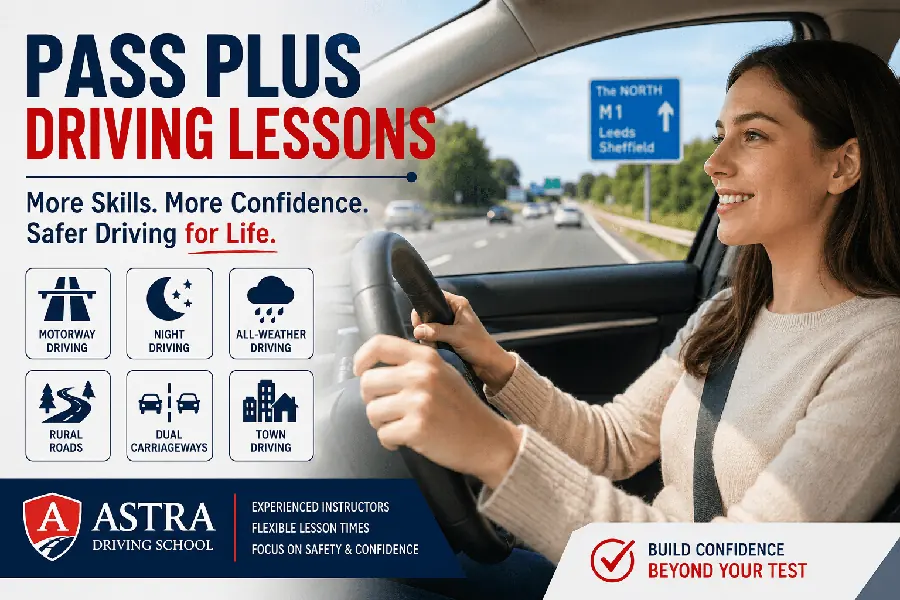
Learning how to operate a car is not the same as learning how to drive safely. While traditional driving schools teach key rules, signals, and manoeuvres, they often fail to prepare young drivers for the unpredictable realities of the road. That’s why defensive driving education and continuous skill development are critical in reducing accident risks among new drivers.
Basic driving lessons focus on passing the test — not surviving real-world conditions. However, roads today demand far more than textbook knowledge. A truly competent driver must anticipate hazards, remain calm under stress, and make split-second decisions that can prevent collisions. This is where defensive driving programmes prove invaluable. These specialised courses train young drivers to recognize potential threats, maintain safe distances, and respond proactively to aggressive drivers or sudden obstacles.
Real-world simulation training has also become a transformative tool in driver education. Through virtual environments, learners can safely experience dangerous situations — such as wet roads, tyre blowouts, or sudden pedestrian crossings — without real-world consequences. Such immersive training strengthens decision-making, reflexes, and awareness.
Moreover, periodic re-assessments are vital to make sure skills remain sharp. Just as professional drivers undergo routine evaluations, young drivers should be encouraged to refresh their knowledge every few years. These refresher courses reinforce safe habits and address new road challenges, including evolving traffic technologies and updated laws.
Investing in full driving education is not merely a formality — it’s a life-saving commitment. Good lessons, defensive driving skills and ongoing practice help young drivers think ahead, act responsibly and make safety a habit.
The Power of Awareness Campaigns & Community Involvement
Raising awareness is one of the most effective ways to change young drivers’ behavior and promote a culture of safety. Schools, colleges, and local authorities play a vital role in shaping this mindset early on. By integrating road safety education into school curriculums and organising workshops that show the real-life consequences of reckless driving, institutions can help students understand that safe driving is both a personal and social responsibility.
Social media platforms serve as powerful tools for spreading awareness among youth. Engaging campaigns, influencer collaborations, and short educational videos can reach millions, making safety messages more relatable and shareable. Peer-to-peer programmes — where experienced young drivers mentor beginners — also create lasting impact by promoting safe habits through real-life storytelling and community influence.
Technology as a Guardian Angel
In today’s digital age, technology has become a silent guardian for young drivers, offering real-time insights and preventive tools to reduce accidents. Telematics and driving monitoring apps such as Life360, Zendrive, and OnStar provide detailed feedback on driving behavior — including speed, harsh braking, and phone usage. These tools help both parents and young drivers identify risky habits and correct them before they lead to danger.
Modern vehicles now come equipped with advanced safety features that act as life-saving assistants. Systems like lane departure warnings, automatic emergency braking, blind spot detection, and GPS tracking enhance driver awareness and minimize human error. These smart technologies not only protect occupants but also build confidence in new drivers navigating complex road environments.
Also, parental control technology allows guardians to set speed alerts, monitor locations, and receive instant notifications during unsafe driving events. This balance of freedom and supervision creates accountability without invading privacy.
When used responsibly, technology becomes more than a convenience — it’s a powerful partner in safety. By integrating digital tools with education and discipline, families can transform every drive into a safer, smarter experience for young motorists.
Building Emotional Responsibility in Young Drivers
Safe driving isn’t only a skill — it’s a mindset rooted in emotional intelligence. Many accidents involving young drivers stem from emotional reactions such as anger, excitement, or overconfidence rather than a lack of technical ability.
Developing emotional responsibility behind the wheel helps young motorists make rational decisions, remain calm under stress, and value safety over speed.
Emotional intelligence (EI) — the ability to recognize, understand, and manage one’s emotions — plays a crucial role in safe driving. A driver who stays calm in traffic, takes feedback well and keeps their head in an emergency is much less likely to crash.
For example, when a car suddenly cuts in front, an emotionally intelligent driver reacts with patience and caution instead of road rage.
Practicing empathy and patience also reduces accident risks greatly. Understanding that every driver on the road is human — possibly distracted, tired, or anxious — encourages tolerance and respect. Such empathy transforms driving from a competitive act into a shared responsibility.
Studies have shown that patient, courteous drivers are less prone to risky behaviors like tailgating or speeding, leading to fewer collisions and conflicts.
Focus and mindfulness are equally vital. Driving demands complete mental presence, yet young drivers often underestimate the impact of stress, fatigue, or emotional turmoil.
Before you set off, take a few deep breaths and put your phone away. Being calm helps you react faster and concentrate better.
Maintaining mental wellness through proper rest, balanced routines, and emotional stability makes sure that young drivers approach the road with clarity and control, rather than haste or frustration.
Ultimately, emotional responsibility transforms driving from a mechanical task into a disciplined life skill. Parents, educators, and driving instructors can nurture this by promoting calm reflection, emotional self-awareness, and respect for others on the road.
Role of Society and Peer Groups
Society and peer influence play a powerful role in shaping how young drivers behave. Teenagers and young adults often seek validation from their social circles — meaning their driving style can reflect cultural attitudes more than personal judgment. When the social narrative equates speed with confidence or risk-taking with bravery, it creates a dangerous environment where recklessness is celebrated.
The solution lies in shifting the cultural mindset from “speed is cool” to “safety is strength.” Schools, communities and the media can help by praising safe driving instead of thrill-seeking. Sharing stories of young drivers who avoided crashes or helped others can change what people think a “good driver” is.
Positive peer influence can be even more powerful than parental guidance. When young people encourage each other to follow traffic rules, avoid distractions, and prioritize safety, it builds a sense of group accountability. Peer-led initiatives — such as safe driving clubs, campus awareness drives, or road safety ambassadors — have proven to reduce risk-taking behaviors among youth.
Encouraging reward-based safe driving competitions is another effective approach. Insurance companies, schools, or community organizations can recognize and reward consistent safe driving through certificates, discounts, or public appreciation. This not only motivates young drivers to maintain safe habits but also makes safety a point of pride rather than restriction.
When society and peers unite in promoting safety, the message becomes far more powerful than any law or lecture. Together, they can raise a generation of calm, responsible drivers who know real strength is self-control, not speed.
How Parents Can Detect and Prevent Risky Behavior Early
While laws, technology, and education play key roles in road safety, the most powerful line of defense often begins at home.
Parents are not just role models — they are the first and most consistent influence on a young driver’s behavior. Detecting early warning signs of risky driving and intervening with empathy and structure can prevent tragedies before they occur.
Recognizing warning signs is the first step. Parents should pay attention to subtle behavioral and physical cues such as frequent speeding tickets, unexplained car scratches, or sudden spikes in fuel usage. These may indicate aggressive driving or carelessness.
A defensive or evasive attitude when discussing accidents, traffic violations, or car usage also signals potential risk. Insurance premium increases or complaints from peers about unsafe behavior can further validate concerns.
Open and consistent communication is vital. Teenagers often resist criticism, but when parents approach the topic with empathy and genuine concern — rather than punishment — they build trust.
Instead of asking, “Why did you do that?” a parent might say, “I’m worried about your safety; let’s figure out how to make things better.” Talking this way helps young drivers admit mistakes and learn from them.
Monitoring fatigue, stress, and emotional triggers is equally important. A young driver busy with school, work or friends may drive while distracted or tired. Both are as dangerous as drink driving.
Parents should encourage breaks, adequate rest, and mindful preparation before driving. Teaching coping strategies such as deep breathing, short rest stops, or music that calms the mind can greatly reduce emotional driving impulses.
Also, integrating monitoring technologies like telematics or driving apps can help parents track driving behavior objectively without being invasive.
By reviewing patterns together, parents and teens can identify risky habits and work collaboratively on improvement.
The goal is not to control but to guide — fostering accountability, maturity, and awareness that last a lifetime.
When parents balance supervision with trust, they cultivate independence and safety together. This partnership between awareness, communication, and empathy becomes the cornerstone of responsible driving behavior.